
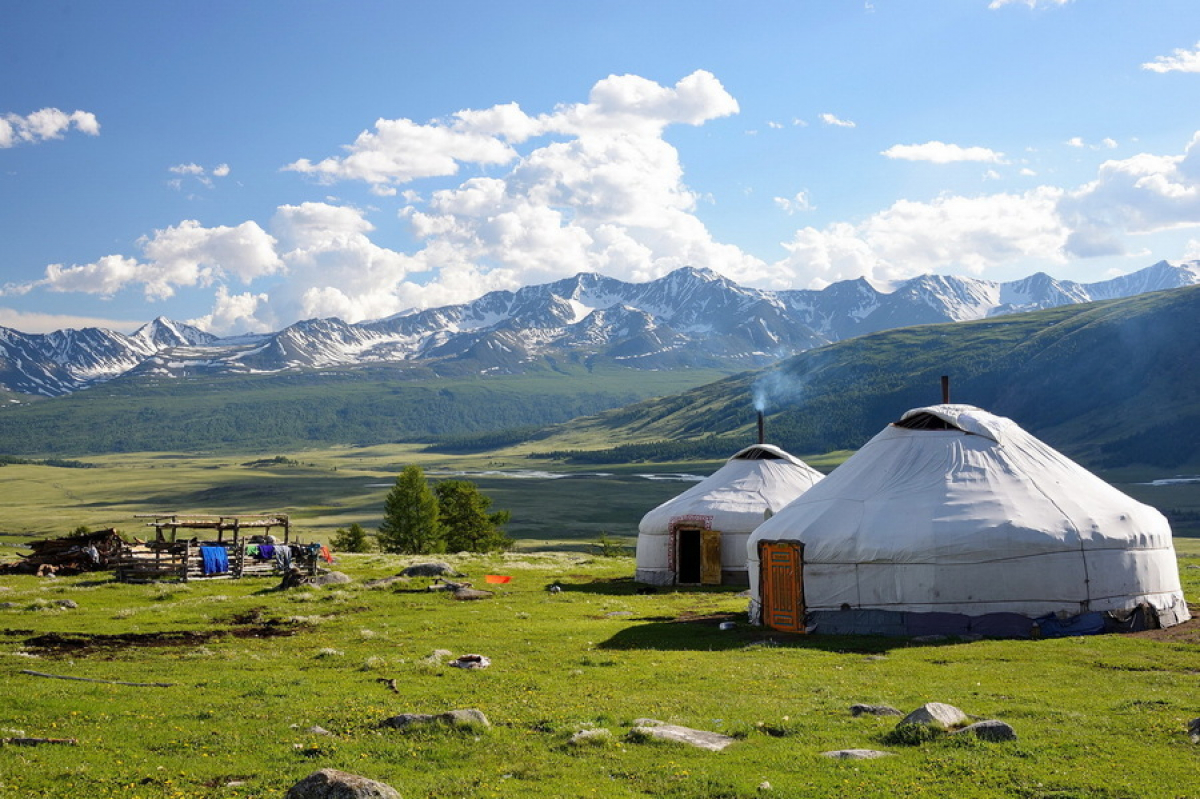
Ethno-tourism in Kazakhstan holds tremendous promise for promoting local traditions and fostering rural economic growth. Yet, despite this potential, much of it remains untapped as government and regional tourism authorities continue to focus on mainstream destinations, often neglecting culturally rich rural areas.
In Shymkent, the underground ethnographic museum “Kyluet,” built single-handedly by local artist Kendebai Karabdalov, offers a deep insight into Kazakh history. In the Altai mountains, Vera Klimova’s beekeeping farm doubles as a tourist destination, offering therapeutic services like apitherapy.
According to Rustem Yegenberdiyev, a seasoned guide from Turkestan region, what captivates tourists the most is not monuments but immersive experiences—being welcomed by village elders, tasting traditional food, witnessing live crafts, and staying in local homes. Yet, such initiatives lack proper institutional support.
Since 2020, Kazakh Tourism has launched training programs for rural residents, guiding them on how to launch guesthouses and provide tourist services. However, subsidies still mainly go to hotels with over 30 rooms, leaving small, authentic ventures underserved.
MP Guldara Nurymova emphasizes the need for a dedicated law on handicrafts, noting their central role in ethno-tourism. She proposes the development of eco-villages where artisans can demonstrate traditional Kazakh skills and educate the youth.
Experts call for a nationwide tourism development program lasting at least five years. It should include guide certification, standardized narratives, improved tourist behavior education, and substantial support for local guesthouses.
Leave a Reply