
The 11th Summit of the Organization of Turkic States (OTS) concluded in Bishkek with significant declarations focused on economic integration, digital transformation, and strategic alignment across its member states. With a theme of “Empowering the Turkic World: Economic Integration, Sustainable Development, Digital Future, and Security for All,” the summit outlined an ambitious agenda to enhance cooperation in response to escalating regional and global challenges. Hosted by Kyrgyz President Sadyr Zhaparov, the summit marked a pivotal step forward for the OTS in reinforcing unity among its members—Azerbaijan, Kazakhstan, Kyrgyzstan, Türkiye, and Uzbekistan—while extending a hand to observer nations Turkmenistan, Hungary and Northern Cyprus.
Key Outcomes and Strategic Moves
One of the standout developments was the signing of the Digital Economy Partnership Agreement (DEPA), setting a framework to streamline digital trade within the OTS. This agreement signals a forward-looking strategy for the Turkic world, positioning it as a competitive bloc in the global digital economy. Alongside DEPA, the creation of the Turkic Green Finance Council (TGFC) aims to attract green investments, tapping into the growing momentum around environmental, social, and governance (ESG) investing.
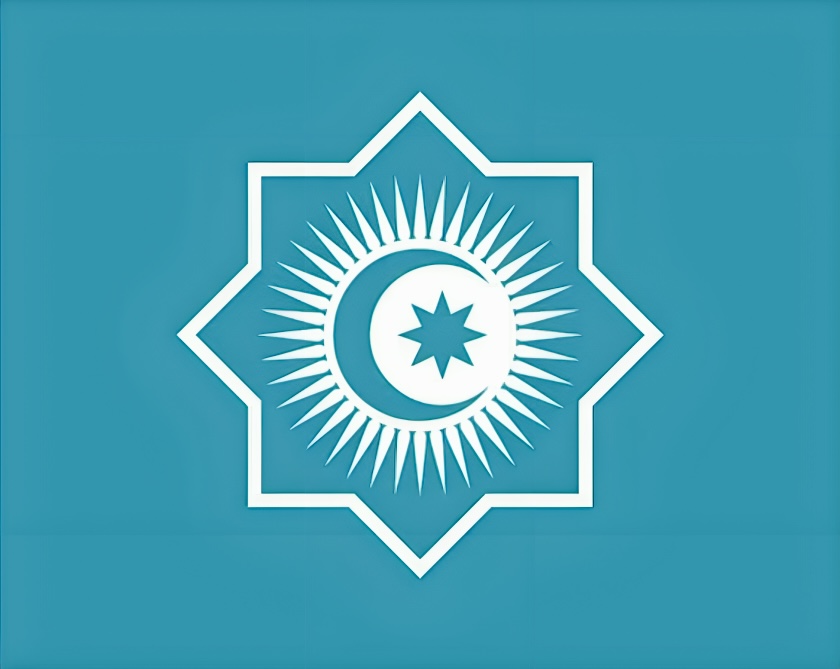
In a landmark move to promote unity, the summit unveiled the new flag of the OTS, symbolizing shared identity, cultural ties, and a commitment to common values. Observers noted that the flag not only represents a visual unification but could strengthen the organization’s presence on the global stage by fostering a more coherent image.
The establishment of the Turan Special Economic Zone (TURAN SEZ) in Kazakhstan’s Turkistan region aims to serve as a central hub for trade and investment, potentially linking the Turkic world more effectively to both Asian and European markets. Observers say the SEZ could play a vital role in the group’s economic ambitions by creating a more unified Turkic supply chain and strengthening its negotiating position with other global economies.
Strategic and Political Cohesion in a Shifting World Order
This year’s summit also focused on geopolitical issues and regional security. In an era marked by polarized international relations, the OTS reiterated its support for Palestine and called for a lasting two-state solution to the Israeli-Palestinian conflict. Member states voiced strong concern over the humanitarian crises in Gaza and Lebanon, advocating for immediate ceasefires and adherence to international law. This united stance emphasizes the OTS’s alignment on foreign policy issues, positioning it as a cohesive entity with a clear diplomatic agenda.
In addition to these Middle Eastern concerns, the OTS committed to intensified anti-terrorism cooperation, driven by a shared interest in regional stability. The formation of an OTS Working Group on Afghanistan underscores a collective approach to navigating the security complexities in Afghanistan, especially concerning the flow of refugees, terrorism, and drug trafficking. Such efforts highlight the group’s intention to adopt a unified foreign policy in addressing neighboring security challenges.
Digital and Environmental Ambitions
Aiming to create a digital future, the summit saw the launch of the Digital Silk Way project and the Turkic Large Language Model, an AI-driven linguistic model to enhance digital connectivity and support cultural preservation across member states. The Bishkek Artificial Intelligence Forum, held just prior to the summit, underscored a strong commitment to AI and digital innovation. By investing in AI and cybersecurity, the OTS intends to modernize its economies, bolstering not only national security but also its competitiveness in the global tech race.
Addressing the climate crisis, the summit supported sustainable water management, reforestation, and renewable energy projects like solar and wind initiatives. The Drought Prevention Institute, established in Hungary, will focus on tackling the Turkic world’s environmental vulnerabilities, especially as climate risks intensify in Central Asia. The group’s climate-focused projects reflect an awareness of the direct impact environmental issues can have on regional stability and economic resilience.
Analyzing the Impact: Steps Toward a Unified Economic Bloc?
Analysts suggest that the OTS’s recent summit signals a shift toward tighter economic and political integration, akin to regional blocs such as ASEAN and the European Union. With the new SEZ, digital trade agreements, and investment frameworks, the OTS is clearly striving to establish a distinct economic identity. However, challenges remain in operationalizing these agreements across diverse economies with varying levels of development and digital readiness.
The inclusion of Hungary as an observer and a member of the Turkic Investment Fund marks an interesting development, especially in light of Hungary’s recent presidency of the Council of the European Union. Hungary’s involvement signals a bridge between Europe and the OTS, potentially opening pathways for greater EU-Turkic cooperation on economic and security issues. Analysts argue this could lead to a more formalized partnership, granting the OTS increased leverage on the European stage.
The emphasis on a shared digital and environmental agenda reflects a broad understanding of the interconnected future awaiting Turkic states. Should the OTS successfully implement its digital economy framework and green initiatives, it could become a model for digital transformation and sustainability, particularly for other post-Soviet and Central Asian nations.
Concluding Thoughts: An Emerging Force in Regional Diplomacy?
The 11th Summit of the Organization of Turkic States underscores a robust vision for economic, digital, and political integration. By addressing complex geopolitical issues, advancing a green agenda, and fostering digital innovation, the OTS is setting the stage to become an influential bloc. As it navigates global pressures and capitalizes on shared linguistic and cultural ties, the OTS could emerge as a stabilizing and strategic force within Eurasia and beyond.
The key question remains: will the OTS’s ambitious projects translate into meaningful influence? If successful, the summit’s outcomes could mark the start of a more consolidated, impactful, and globally engaged Turkic bloc, one that might soon redefine the Turkic world’s role in the 21st-century geopolitical landscape.
Leave a Reply