
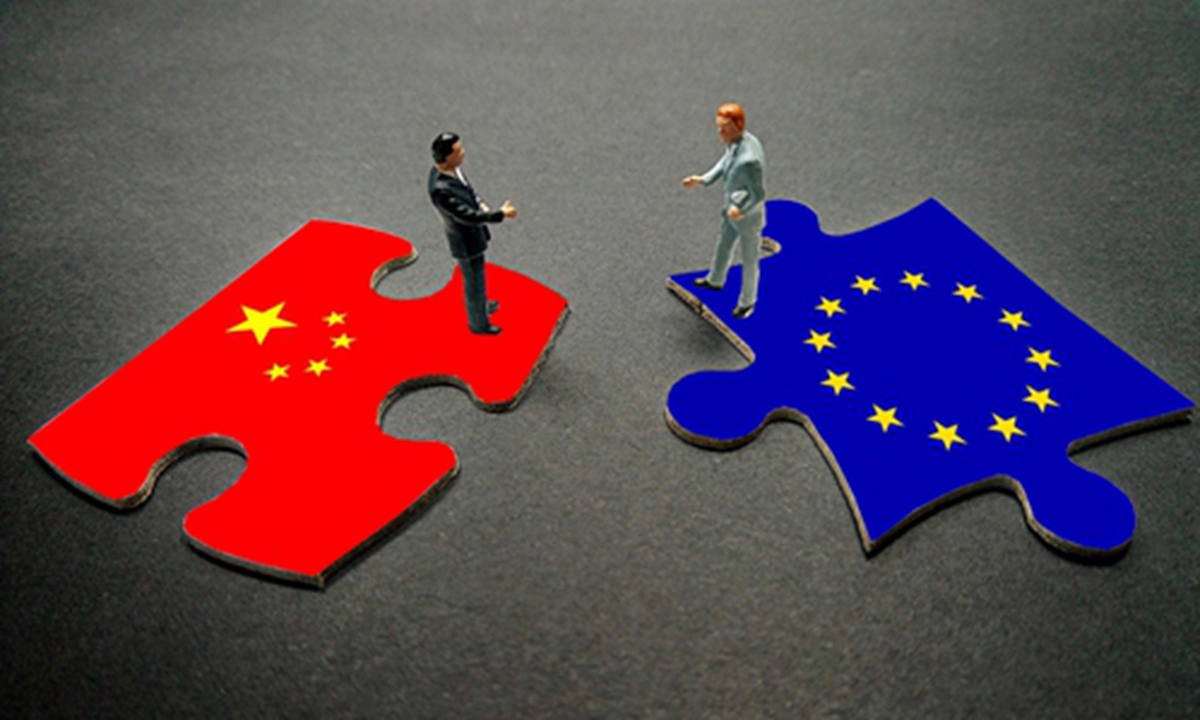
As global power dynamics shift, Central Asia is emerging as a vital hub for international collaboration. The recent EU–Central Asia summit in Samarkand concluded with a joint declaration elevating relations to a strategic partnership. The declaration outlines goals in expanding trade, developing the Middle Corridor, critical raw materials, and renewable energy cooperation. The EU’s €12 billion pledge under the Global Gateway initiative signals a concrete commitment to these objectives.
Chinese analysts, including Zhang Hong and Gu Wei, highlight overlapping priorities between Beijing and Brussels, particularly in logistics, digital connectivity, and sustainable energy. They emphasize that trilateral cooperation involving the EU, China, and Central Asia is possible, especially in environmental protection and crisis response systems. Kazakhstan is noted as a model of diplomatic flexibility, balancing relationships with the EU, China, and Russia while implementing its development agenda.
President Tokayev’s vision of Central Asia as a “bridge of civilizational dialogue” instead of a geopolitical battleground captures the region’s strategic orientation. As a neutral and collaborative actor, Central Asia is becoming an essential node in the global supply chain and a site of innovation in multilateral diplomacy.
Leave a Reply