
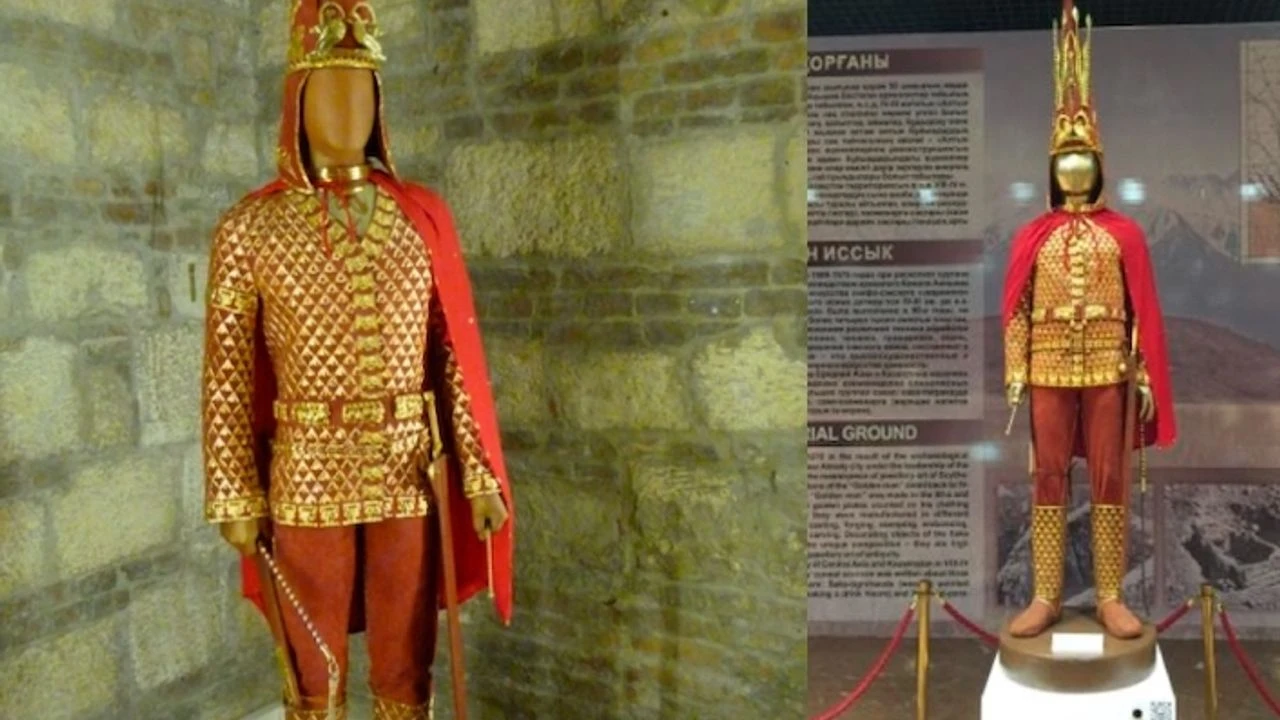
The National Museum of Kazakhstan has announced the inclusion of 10 carefully selected artifacts from its collection in the “Shared Heritage of the Silk Road” virtual exhibition, now available on the Google Arts & Culture platform. This initiative highlights Kazakhstan’s rich cultural and historical contributions as part of a broader effort to celebrate the legacy of the Silk Road.
The project, spearheaded by UNESCO’s Regional Office in Almaty, brings together cultural institutions from across the Silk Road regions. Google Arts & Culture, a platform known for its collaborations with over 2,000 institutions from 80 countries, offers users the opportunity to explore high-resolution images of artwork, details of architectural monuments, and objects from UNESCO’s World Heritage List. Additionally, the platform provides curated digital exhibitions that bring historical and cultural artifacts to life for a global audience.
Kazakhstan’s Contribution to the Exhibition
As part of the exhibition, Kazakhstan’s National Museum selected artifacts that embody the country’s connection to the Silk Road’s vibrant history. These include ancient tools, jewelry, and ceramics that tell stories of trade, cultural exchange, and artistic achievements that flourished along the legendary route. Each piece showcases the craftsmanship and cultural diversity that marked the Silk Road era.
A Collaborative Effort Across Borders
The “Shared Heritage of the Silk Road” virtual exhibition features 60 outstanding artifacts from museums in Kazakhstan, Iran, Kyrgyzstan, Tajikistan, Turkmenistan, and Uzbekistan. These artifacts demonstrate the shared history of cultural and artistic achievements along one of the world’s most significant trade routes.
The platform also allows viewers to delve deeper into the stories behind these objects. Users can explore how each artifact was used in its time, its symbolic meanings, and the modern techniques used to preserve it for future generations.
Accessibility and Global Reach
Through Google Arts & Culture, anyone with an internet connection can now explore these treasures. This accessibility is crucial in preserving the memory of the Silk Road, fostering appreciation of cultural diversity, and educating people worldwide about the interconnectedness of ancient civilizations.
A Platform for the Future
Kazakhstan’s inclusion in the virtual exhibition signifies its commitment to cultural preservation and international cooperation. In a time when virtual access to museums is becoming increasingly important, platforms like Google Arts & Culture play a vital role in bridging geographical gaps and promoting a shared global heritage.
The exhibition is expected to attract millions of viewers, including researchers, students, and cultural enthusiasts, offering them a unique opportunity to experience the beauty and history of the Silk Road from the comfort of their homes.
Leave a Reply